


If you have been trying to conceive for a while without any luck, you have probably heard your gynaecologist mention the word “laparoscopy” at some point. It sounds a little scary at first, mostly because it has the word “surgery” attached to it, and nobody loves the idea of going under the knife. But here is the thing: laparoscopic surgery for pregnancy is one of the most common, safest, and most effective ways to fix hidden problems inside the pelvis that are quietly stopping you from getting pregnant.
Dr. Tanu Soni, a well-known Obstetrician, Gynaecologist, Fertility Specialist, and Laparoscopic Surgeon practising in Indore, has helped hundreds of couples understand this exact procedure and, more importantly, helped many of them conceive after it. In this blog, we will walk through everything you need to know about laparoscopic surgery for pregnancy — what it is, why it is done, how it is performed, what recovery looks like, and how it connects to your fertility journey.
Let’s break it down in the simplest way possible.
Quick Answer: What Is Laparoscopic Surgery for Pregnancy?
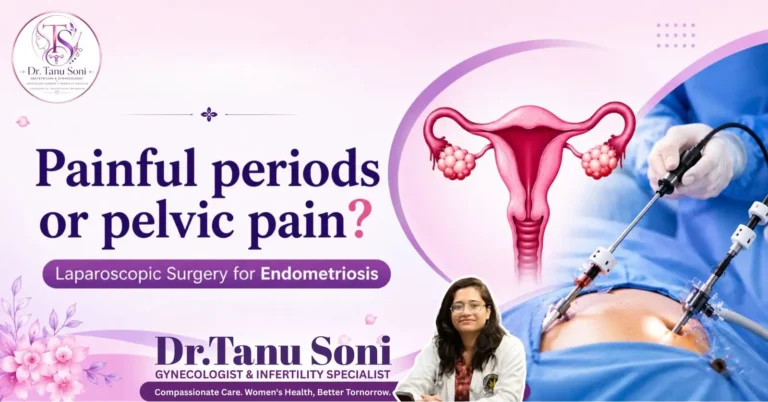
Laparoscopic surgery for pregnancy is a minimally invasive keyhole procedure used to detect and treat conditions inside the uterus, ovaries, and fallopian tubes that make it difficult to conceive. Instead of a large surgical cut, the doctor makes 2 to 3 tiny incisions in the abdomen and uses a thin camera (laparoscope) along with fine instruments to see and correct the problem. It is not done during an ongoing pregnancy — it is done before pregnancy, to clear the path so that pregnancy can actually happen.
A few quick facts about this procedure:
- It is a same-day or one-night-stay surgery in most cases.
- It treats blocked tubes, fibroids, endometriosis, ovarian cysts, and pelvic adhesions.
- Recovery is usually 5 to 7 days, much faster than open surgery.
- Many women conceive naturally within 6 to 12 months after the surgery.
- It is often recommended after basic fertility tests show no obvious hormonal cause.
Why “Laparoscopic Surgery for Pregnancy” Is a Bit Misunderstood
Let’s clear up one common confusion first, because it matters. Laparoscopic surgery is not something that is done to a woman who is already pregnant, and it is not a “delivery” procedure. It is a fertility-related surgery done before conception, aimed at removing the physical or structural roadblocks inside the reproductive organs that are preventing a pregnancy from happening naturally.
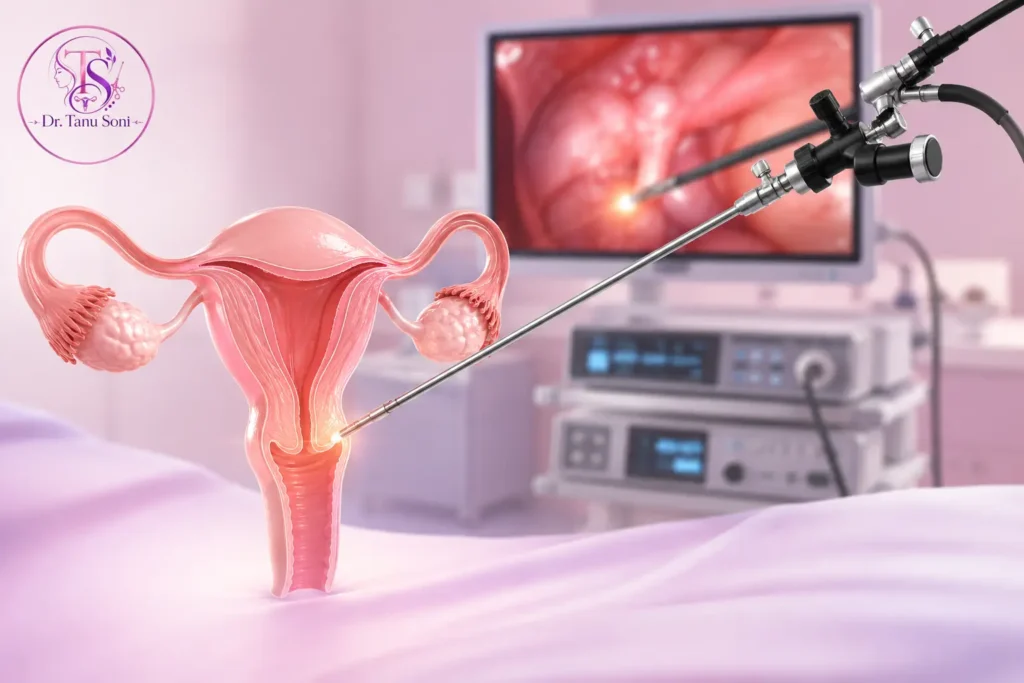
Think of it like this: if a water pipe is blocked, water simply cannot flow, no matter how much pressure you apply. In the same way, if your fallopian tubes are blocked, or your uterus has fibroids distorting its shape, or your ovaries are covered in cysts, the egg and sperm may never get the chance to meet, or the fertilised egg may never implant properly. Laparoscopic surgery clears these blockages so that the natural process of conception has a real chance to succeed.
Common Reasons Doctors Recommend Laparoscopic Surgery Before Pregnancy
Not every woman facing fertility trouble needs surgery. Doctors usually reach this decision after ultrasounds, hormone tests, and sometimes an HSG (a tube-patency test) point towards a structural issue. Here are the most common conditions that lead to this recommendation:
- Blocked or damaged fallopian tubes — often caused by old infections, endometriosis, or previous surgeries.
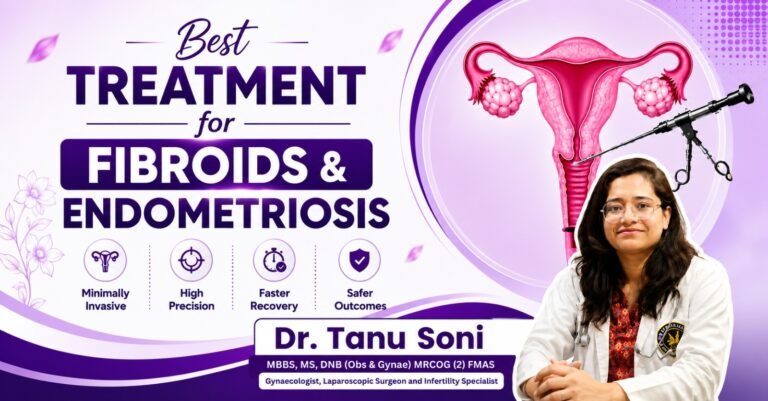
- Endometriosis — tissue similar to the uterine lining growing outside the uterus, causing pain and scarring.
- Uterine fibroids — non-cancerous growths that can change the shape of the uterus or press on the tubes.
- Ovarian cysts — fluid-filled sacs on the ovary that can interfere with ovulation.
- Pelvic adhesions — scar tissue from past infections or surgeries that stick organs together.
- Unexplained infertility — when all reports look “normal” but pregnancy still isn’t happening, laparoscopy is often the only way to find the real, hidden cause.
- PCOS-related ovarian drilling — in some PCOS cases, a minor laparoscopic procedure helps restore regular ovulation.
If you recognise any of these from your own reports, it may be worth having a detailed conversation with a fertility specialist about whether laparoscopy is the right next step for you.
How the Procedure Actually Works
Many patients feel nervous simply because they don’t know what to expect. So here is a simple, step-by-step walkthrough of a typical laparoscopic surgery for pregnancy-related conditions.
Before the Surgery
Your doctor will usually ask for some basic pre-surgery tests — blood work, an ultrasound, and sometimes an ECG, just to confirm you are fit for anaesthesia. You will be asked to fast for a few hours before the procedure and stop certain medications temporarily if advised.
During the Surgery
- General anaesthesia is given, so you are fully asleep and feel nothing.
- The surgeon makes a small cut, usually near the belly button, and inserts a thin tube carrying a camera (the laparoscope).
- Carbon dioxide gas is gently pumped into the abdomen so the surgeon has a clear, expanded view of the pelvic organs on a monitor.
- One or two additional small cuts are made to insert delicate surgical instruments.
- The surgeon examines the uterus, tubes, and ovaries directly, and treats whatever is found — removing cysts, clearing blocked tubes, cutting away adhesions, or removing fibroids.
- The instruments are removed, the gas is released, and the small cuts are closed, often with a single stitch or surgical tape each.
The entire procedure typically takes anywhere from 30 minutes to about 2 hours, depending on what needs to be treated.
After the Surgery
Most women go home the same day or after one night in the hospital. There may be some mild shoulder or abdominal discomfort for a day or two, caused by the gas used during surgery, but this settles quickly. Normal walking is usually encouraged within a few hours to help recovery.
Benefits of Choosing the Laparoscopic (Keyhole) Approach
Compared to traditional open surgery, laparoscopic surgery for pregnancy-related conditions offers several real advantages:
- Smaller cuts, smaller scars — usually less than half an inch each, compared to a large incision in open surgery.
- Less pain after surgery, since muscles and tissues are not cut open widely.
- Shorter hospital stay — often just a day, versus 4 to 5 days for open surgery.
- Faster return to daily life and work, typically within a week.
- Lower risk of infection, thanks to the smaller wounds.
- Better visibility for the surgeon, since the camera magnifies internal structures, allowing more precise treatment.
- Lower chance of new scar tissue (adhesions) forming after the surgery, which itself matters a lot for fertility.
This last point is particularly important. Since one of the biggest fertility-blockers is scar tissue in the first place, choosing a surgical approach that minimises the formation of new scar tissue makes a real difference in your future chances of conceiving.
Also Read : Best Gynecologist and Laparoscopic Surgeon in Indore, Madhya Pradesh
Recovery Timeline: What to Expect Week by Week
- Day 1–2: Rest at home, mild soreness, light walking around the house.
- Day 3–5: Most daily activities resume, avoid heavy lifting.
- Day 6–7: Follow-up visit with your surgeon to check healing and discuss the findings.
- Week 2–4: Most women are cleared for normal exercise and can start trying to conceive again, based on the doctor’s advice.
- Month 3 onwards: Many couples are advised to actively try for pregnancy, sometimes alongside ovulation tracking or mild fertility support.
Every woman’s body is different, and your doctor will personalise this timeline based on what exactly was treated during your surgery.
About Dr. Tanu Soni | Fertility & Laparoscopic Surgery Specialist in Indore
When it comes to a procedure as delicate as laparoscopic surgery for pregnancy, experience and precision matter enormously. This is where Dr. Tanu Soni (MBBS, MS, DNB) stands out as a trusted name in Indore.
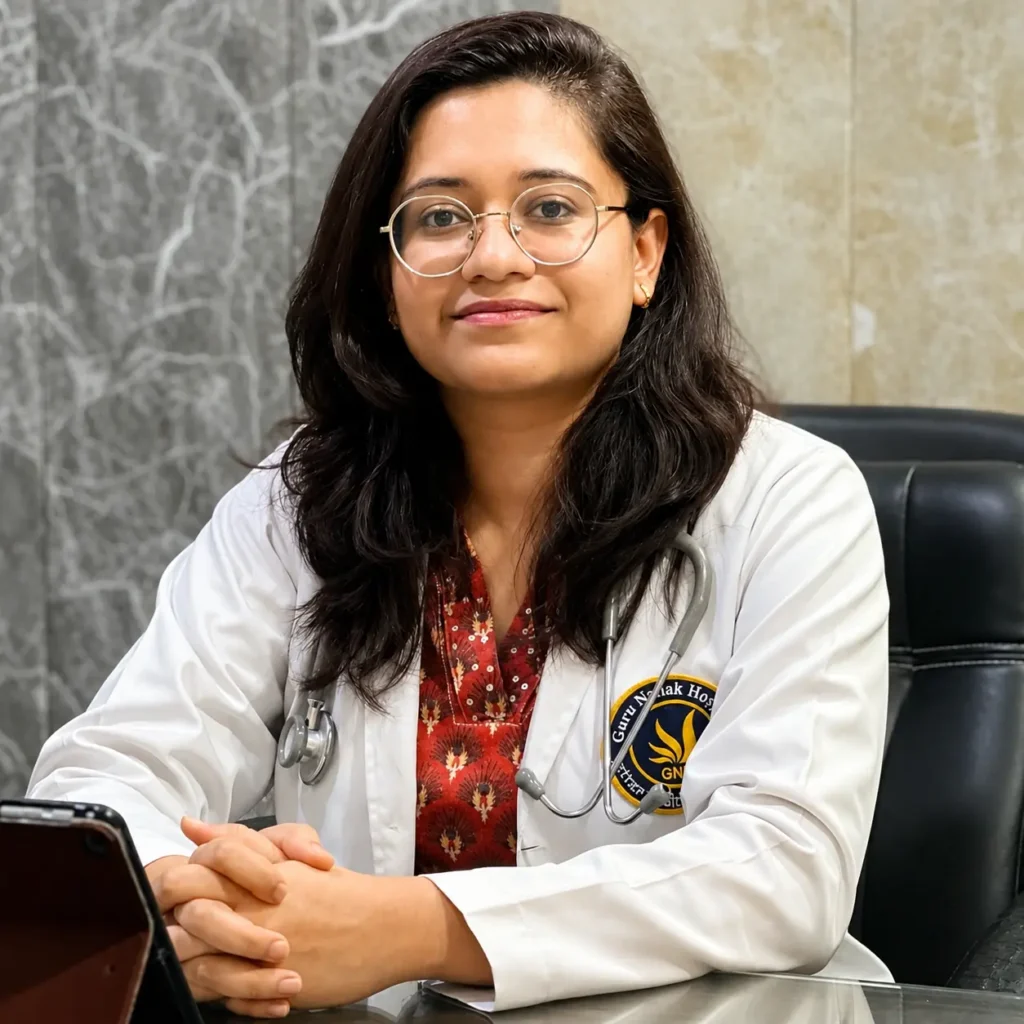
Dr. Tanu Soni is an Obstetrician, Gynaecologist, Fertility Specialist, and Laparoscopic Surgeon with over 9 years of clinical experience and more than 100 successful laparoscopic surgeries to her name. Her practice focuses on a genuinely personalised approach, where every patient’s history, reports, and concerns are reviewed in detail before recommending a treatment path.
Her core areas of expertise include:
- High-risk pregnancy management
- Laparoscopic surgery (myomectomy, ovarian cystectomy, hysterectomy, and endometriosis treatment)
- PCOS and hormonal disorder management
- Fertility and IVF counselling
- Treatment of uterine fibroids, ovarian cysts, and menstrual disorders
What patients often mention about Dr. Tanu Soni is her patience in explaining every step of the process, so that women don’t just get treated, but actually understand what is happening to their bodies and why a particular treatment is being suggested. For a topic as emotionally sensitive as fertility, this kind of clear communication makes a real difference.
Clinic Details:
- Address: OPD No. 38, Bombay Hospital Service Rd, Scheme No. 94, Sector WA, Indore, Madhya Pradesh 452010
- Phone: 70897 09554
- Email: tanusoni.gynae@gmail.com
- Book a Consultation: Available online and in-clinic, with slots for pregnancy care, fertility counselling, PCOS management, and laparoscopic surgery consultations.
If you are dealing with unexplained infertility, painful periods, or have been told you may need surgery to conceive, a one-on-one consultation with a specialist like Dr. Tanu Soni can help you understand your exact options rather than relying on generic information from the internet.
Also Read : Advanced Laparoscopic Treatment for Endometriosis & Fibroids in Indore | Dr. Tanu Soni
Does Laparoscopic Surgery Guarantee Pregnancy?
This is a fair and important question, and the honest answer is: no surgery can “guarantee” pregnancy, because conception depends on multiple factors — egg quality, sperm health, hormonal balance, and timing, not just the physical structure of the reproductive organs. What laparoscopic surgery does is remove one major obstacle from the path. For many women, that is enough to conceive naturally within the following months. For others, it may be a helpful step before moving on to assisted reproduction options like IUI or IVF.
Studies and clinical experience generally show that:
- Removing blocked tubes or mild endometriosis can improve natural conception rates significantly in the months following surgery.
- Removing large fibroids that were distorting the uterine cavity often improves both natural conception and the success of IVF, if it becomes necessary later.
- Treating ovarian cysts can restore more regular ovulation cycles.
Your doctor will usually give you a realistic, personalised expectation based on your age, the exact condition treated, and your partner’s fertility reports.
Who Should Consider This Surgery?
You may be a candidate for laparoscopic surgery for pregnancy-related concerns if:
- You have been trying to conceive for over a year (or 6 months if you are above 35) without success.
- Your ultrasound or HSG report shows blocked tubes, fibroids, or ovarian cysts.
- You experience chronic pelvic pain, especially during periods, which could indicate endometriosis.
- You have had a previous pelvic infection or surgery and now suspect scar tissue may be involved.
- Your fertility specialist has recommended a diagnostic laparoscopy because other tests came back inconclusive.
If any of this sounds familiar, it is worth having a direct conversation with a gynaecologist rather than waiting or guessing based on symptoms alone.
Precautions and Aftercare Tips
To make recovery smoother and to support your fertility goals after the surgery, keep these points in mind:
- Follow your doctor’s advice on rest, and avoid heavy lifting for at least 2 weeks.
- Keep the incision sites clean and dry as instructed to avoid infection.
- Attend all follow-up appointments so your doctor can track healing and internal recovery.
- Maintain a balanced diet rich in iron, protein, and vitamins to support tissue healing.
- Avoid self-medicating for pain; stick to what your doctor prescribes.
- Ask your doctor when it is safe to resume trying for pregnancy — this varies depending on what was treated.
- Manage stress where possible, since prolonged stress can also affect hormonal balance and ovulation.
Frequently Asked Questions
Is laparoscopic surgery painful?
Since it is done under general anaesthesia, you will not feel pain during the procedure. Mild soreness for a couple of days afterward is normal and manageable with prescribed medication.
How soon can I try to conceive after laparoscopic surgery?
This depends on what was treated. In many cases, doctors advise waiting one full menstrual cycle before actively trying, but your surgeon will give you an exact timeline based on your case.
Is laparoscopic surgery safe for fertility treatment?
Yes, it is considered one of the safest and most effective surgical options for treating structural causes of infertility, with a strong track record when performed by an experienced surgeon.
Will I have visible scars after the surgery?
The incisions are very small, usually under half an inch, and scars typically fade significantly over a few months.
Do I need laparoscopic surgery if my hormone tests are normal?
Normal hormone tests only rule out hormonal causes. If pregnancy still isn’t happening, a laparoscopy may be recommended to check for structural issues that blood tests cannot detect.
Final Thoughts
Laparoscopic surgery for pregnancy is not something to fear — it is often the missing piece of the puzzle for couples who have done everything “right” and still aren’t conceiving. With smaller cuts, faster recovery, and a strong safety record, it remains one of the most trusted tools in modern fertility care.
If you are in Indore and looking for expert guidance on whether laparoscopic surgery is right for your fertility journey, Dr. Tanu Soni offers detailed consultations to help you understand your reports, your options, and the most realistic path forward toward a healthy pregnancy.
You do not have to figure this out alone. A single honest conversation with the right specialist can often bring more clarity than months of searching online.
This blog is written for general awareness and does not replace professional medical advice. Please consult Dr. Tanu Soni or a qualified gynaecologist for a diagnosis and treatment plan suited to your individual health condition.