


Women’s health issues like endometriosis and fibroids are far more common than most people realise, yet they often go undiagnosed for years because the symptoms are dismissed as “normal period pain” or “just stress.” If you have been dealing with heavy periods, constant pelvic pain, or difficulty conceiving, you are not alone, and more importantly, you do not have to live with it.
In this blog, we will walk you through what endometriosis and fibroids actually are, why they happen, how advanced laparoscopic surgery has changed the way these conditions are treated, and why choosing the right gynaecologist in Indore can make all the difference to your recovery and long-term health. Dr. Tanu Soni, a trusted name in women’s health in Indore, specialises in advanced laparoscopic procedures that help women get back to normal life faster and with far less pain than traditional open surgery.
What Is Endometriosis and Why Does It Happen
Endometriosis is a condition in which tissue similar to the lining of the uterus (called the endometrium) starts growing outside the uterus. This misplaced tissue can attach itself to the ovaries, fallopian tubes, the outer surface of the uterus, and sometimes even the bladder or intestines. Because this tissue behaves just like the normal uterine lining, it thickens, breaks down, and bleeds with every menstrual cycle. The problem is that this blood has nowhere to go, which leads to inflammation, scar tissue, and often severe pain.
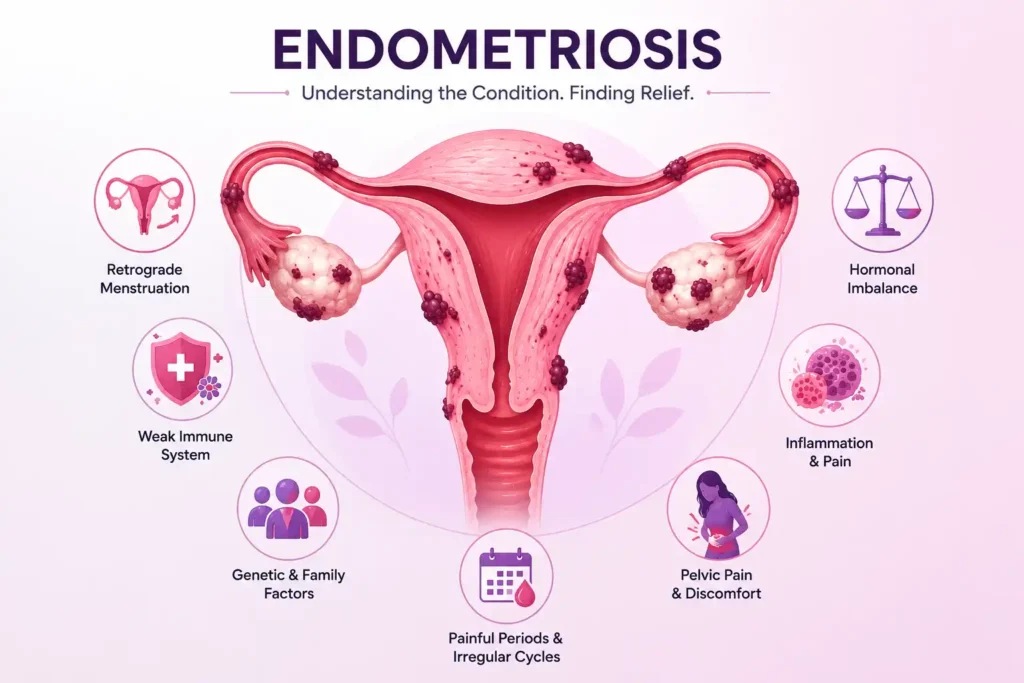
Doctors are still studying the exact cause of endometriosis, but a few factors are commonly linked to it, including retrograde menstruation (where menstrual blood flows backward into the pelvic cavity instead of leaving the body), hormonal imbalances, a weakened immune system, and genetic factors. Women whose mothers or sisters have had endometriosis are at a higher risk of developing it themselves.
Common Symptoms of Endometriosis
Many women live with endometriosis for years without realising it because the symptoms can be mistaken for regular menstrual discomfort. Some of the most common signs include:
- Severe pain during periods that does not improve with regular painkillers
- Pain during or after sexual intercourse
- Pain while urinating or passing stools, especially during periods
- Heavy menstrual bleeding or bleeding between periods
- Chronic pelvic pain that is not limited to periods
- Fatigue, bloating, and nausea
- Difficulty getting pregnant
If you experience two or more of these symptoms regularly, it is worth getting a proper gynaecological evaluation rather than assuming it will go away on its own.
What Are Uterine Fibroids
Uterine fibroids are non-cancerous growths that develop in or around the uterus. They are made up of muscle and fibrous tissue and can vary greatly in size, from as small as a pea to as large as a melon in rare cases. Fibroids are extremely common, and many women have them without even knowing, since small fibroids often do not cause any symptoms at all.
Fibroids are generally classified based on where they grow:
- Intramural fibroids – These grow within the muscular wall of the uterus and are the most common type.
- Subserosal fibroids – These develop on the outer surface of the uterus and can sometimes press on nearby organs.
- Submucosal fibroids – These grow just under the lining of the uterine cavity and are often linked with heavy bleeding and fertility issues.
- Pedunculated fibroids – These are attached to the uterus by a thin stalk and can grow either inside or outside the uterus.
Symptoms of Fibroids to Watch Out For
- Heavy or prolonged menstrual bleeding
- Pelvic pressure or a feeling of fullness in the lower abdomen
- Frequent urination due to pressure on the bladder
- Lower back pain
- Pain during intercourse
- Difficulty conceiving or repeated miscarriages in some cases
- Constipation in cases where fibroids press on the bowel
The exact cause of fibroids is not fully known, but hormones like estrogen and progesterone play a major role in their growth, which is why fibroids often shrink after menopause when hormone levels drop.
Why Early Diagnosis Makes Such a Big Difference
One of the biggest challenges with both endometriosis and fibroids is delayed diagnosis. Many women wait months or even years before consulting a specialist, often because they normalise the pain or feel hesitant to discuss reproductive health issues openly. Unfortunately, delaying treatment can allow the condition to progress, making it harder to manage and, in some cases, affecting fertility.
Getting a timely and accurate diagnosis through a pelvic examination, ultrasound, or in some cases an MRI, allows your doctor to understand the exact size, location, and severity of the growths. This information is critical because it determines whether the condition can be managed with medication or whether surgical treatment is needed, and if surgery is required, which technique will give the best results with the least disruption to your daily life.
Traditional Surgery vs Advanced Laparoscopic Surgery
For many years, open abdominal surgery was the standard approach for removing fibroids or treating endometriosis. While effective, open surgery involves a large incision, longer hospital stays, more pain during recovery, and a higher risk of complications such as infection and excessive scarring.
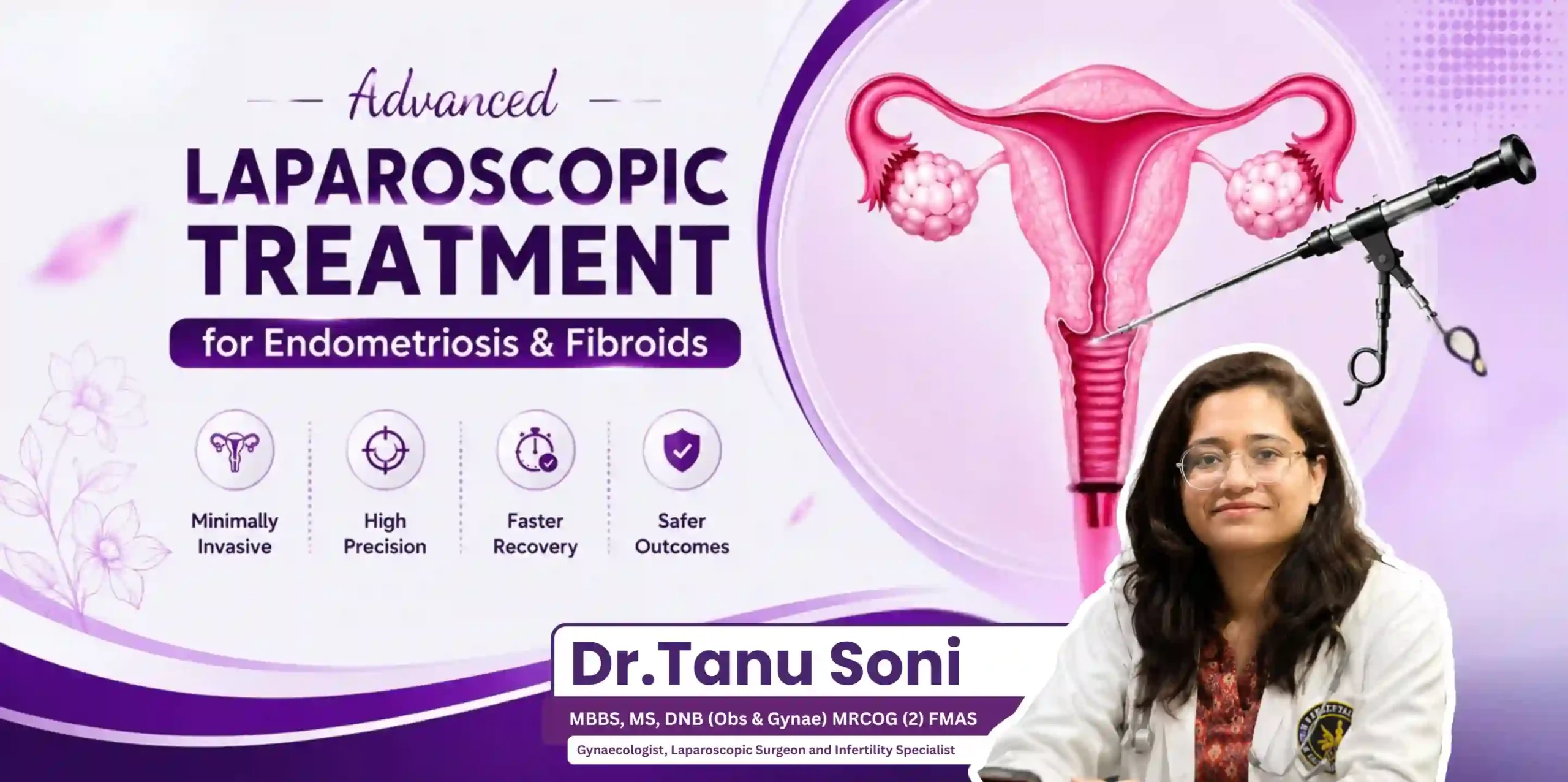
Advanced laparoscopic surgery has changed this completely. Laparoscopy is a minimally invasive surgical technique where the surgeon makes a few small incisions, usually less than a centimetre each, instead of one large cut. A thin tube fitted with a high-definition camera, called a laparoscope, is inserted through one of these incisions, allowing the surgeon to view the internal organs on a monitor in real time. Specialised surgical instruments are then used through the other small incisions to carry out the procedure with a high degree of precision.
Key Benefits of Laparoscopic Surgery
- Smaller incisions mean minimal scarring compared to open surgery
- Less blood loss during the procedure
- Reduced pain after surgery, meaning less dependence on strong painkillers
- Shorter hospital stay, with many patients discharged within a day or two
- Faster recovery time, allowing women to return to normal activities much sooner
- Lower risk of infection due to smaller wounds
- Better cosmetic outcome since there is no large visible scar
- Higher precision, since the magnified camera view allows the surgeon to identify and treat even small patches of endometriosis or fibroids that might be missed in open surgery
These benefits make laparoscopy especially valuable for women who are also trying to preserve their fertility, since the procedure is gentler on the reproductive organs compared to traditional surgery.
Advanced Laparoscopic Treatment for Endometriosis
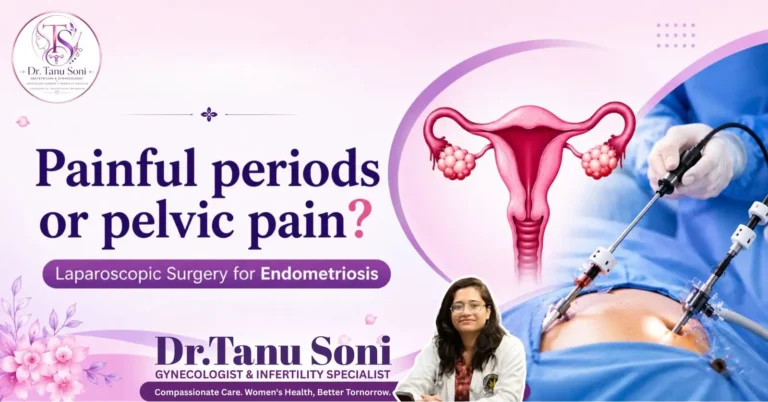
Laparoscopic surgery for endometriosis, sometimes called laparoscopic excision surgery, is considered one of the most effective ways to both diagnose and treat this condition in a single procedure. During the surgery, the doctor carefully identifies patches of endometrial tissue growing outside the uterus and removes or destroys them using precise surgical techniques.
This approach is particularly useful because endometriosis can sometimes be difficult to detect through imaging alone, and laparoscopy allows the surgeon to directly visualise the pelvic cavity, confirm the diagnosis, assess the extent of the disease, and treat it at the same time. For women dealing with infertility linked to endometriosis, removing the abnormal tissue and any resulting scar tissue (adhesions) can significantly improve the chances of natural conception.
Recovery after laparoscopic endometriosis surgery is generally quick, with most women able to resume light activities within a week and return to full normal routine within two to four weeks, depending on the extent of the surgery.
Advanced Laparoscopic Treatment for Fibroids (Myomectomy)
When fibroids are large, multiple, or causing significant symptoms, surgical removal is often recommended. A laparoscopic myomectomy is the minimally invasive way of removing fibroids while keeping the uterus intact, which is especially important for women who wish to have children in the future.
During the procedure, the surgeon locates each fibroid, carefully separates it from the surrounding healthy uterine tissue, and removes it through one of the small incisions. Depending on the size and number of fibroids, this process requires a high level of surgical skill to ensure the uterus is repaired properly and heals well, maintaining its strength for any future pregnancy.
In cases where fibroids are extremely large or a woman does not wish to preserve fertility, a laparoscopic hysterectomy (removal of the uterus) may be discussed as an alternative option, again performed through minimally invasive techniques to reduce recovery time and complications.
What Makes Laparoscopic Myomectomy a Preferred Choice
- Preserves the uterus, keeping future fertility options open
- Reduces the risk of heavy bleeding during surgery through advanced techniques
- Minimises scar tissue formation inside the pelvis
- Allows faster return to normal menstrual cycles
- Offers a much shorter recovery period compared to open myomectomy
Why Choose Dr. Tanu Soni for Laparoscopic Treatment in Indore
Choosing the right gynaecologist for a condition as personal as endometriosis or fibroids is not just about medical qualifications, it is also about finding a doctor who listens carefully, explains your options clearly, and makes you feel comfortable throughout the process. Dr. Tanu Soni is known in Indore for exactly this kind of approach, combining strong surgical expertise in advanced laparoscopic procedures with a patient-first attitude that puts women at ease from the very first consultation.
Dr. Tanu Soni’s practice focuses on a wide range of women’s health concerns, with particular expertise in:
- Diagnosis and laparoscopic treatment of endometriosis
- Laparoscopic myomectomy for uterine fibroids
- Laparoscopic hysterectomy
- Management of infertility linked to gynaecological conditions
- Treatment of ovarian cysts and other pelvic conditions
- Comprehensive obstetric and gynaecological care
What sets an advanced laparoscopic centre apart is not just the equipment, but the surgeon’s experience in handling complex cases with precision. Every patient’s condition is different, and Dr. Tanu Soni takes the time to understand each case individually, using detailed diagnostic evaluation before recommending the most suitable treatment path, whether that is medical management, minimally invasive surgery, or a combination approach.
For women in Indore who have been struggling with unexplained pelvic pain, heavy periods, or fertility concerns, having access to an advanced laparoscopic centre in the city means they no longer need to travel to other cities for specialised care. Quality, minimally invasive gynaecological surgery is available close to home.
What to Expect During Your Consultation and Treatment Journey
If you are considering a consultation for endometriosis or fibroids, understanding the general process can help ease any anxiety about what lies ahead.
- Initial Consultation – Your doctor will take a detailed history of your symptoms, menstrual cycle, and any previous treatments, followed by a physical examination.
- Diagnostic Tests – Depending on your symptoms, an ultrasound, blood tests, or an MRI may be recommended to get a clear picture of the size and location of fibroids or the extent of endometriosis.
- Treatment Discussion – Based on the findings, your doctor will explain whether medication, minimally invasive surgery, or a combination of both is the right path forward, along with the expected outcomes and recovery timeline.
- Pre-Surgery Preparation – If surgery is recommended, you will receive clear instructions on any tests or precautions needed before the procedure.
- The Procedure – Laparoscopic surgery is typically performed under general anaesthesia and usually takes between one and three hours, depending on the complexity of the case.
- Recovery and Follow-Up – Most patients are discharged within one to two days and are given clear guidance on activity restrictions, medication, and follow-up visits to monitor healing.
Recovery and Aftercare Tips Following Laparoscopic Surgery
Recovery from laparoscopic surgery is generally smooth, but following the right aftercare steps helps ensure faster healing and fewer complications:
- Rest adequately for the first few days, but try to walk short distances as advised by your doctor to prevent blood clots
- Avoid heavy lifting or strenuous exercise for at least four to six weeks, or as directed by your surgeon
- Keep the incision sites clean and dry to prevent infection
- Attend all follow-up appointments so your doctor can monitor your healing progress
- Eat a balanced diet rich in fibre and protein to support tissue repair
- Watch for warning signs such as fever, unusual discharge, or increasing pain, and contact your doctor immediately if these occur
- Be patient with your body, since complete internal healing can take a few weeks even though external incisions heal quickly
Taking the First Step Towards Better Health
Living with untreated endometriosis or fibroids can affect not just your physical health but also your emotional wellbeing, relationships, and daily productivity. The good news is that with advanced laparoscopic techniques now widely available, treatment is safer, faster, and far less disruptive to your life than it used to be.
If you have been experiencing symptoms like heavy periods, pelvic pain, or difficulty conceiving, do not wait for the condition to worsen. Getting evaluated early gives you more treatment options and better outcomes.
Contact Dr. Tanu Soni – Book Your Consultation Today
If you are looking for an experienced gynaecologist for advanced laparoscopic treatment of endometriosis or fibroids in Indore, Dr. Tanu Soni’s clinic is here to help you through every step, from diagnosis to surgery to full recovery.
Address: OPD no 38, Bombay Hospital Service Rd, Scheme No 94 Sector WA, Indore, Madhya Pradesh 452010
Phone/WhatsApp: 70897 09554
Website: drtanusoni.com
Book your appointment today and take the first step towards a pain-free, healthier life.
Frequently Asked Questions
Is laparoscopic surgery painful?
Laparoscopic surgery involves far less pain than traditional open surgery because the incisions are much smaller. Most patients manage post-surgery discomfort with mild pain relief medication for a few days.
How long does it take to recover from laparoscopic fibroid surgery?
Most women return to light daily activities within one to two weeks and resume normal routines, including work, within three to four weeks, depending on the extent of the surgery.
Can I get pregnant after laparoscopic treatment for endometriosis or fibroids?
Yes, in many cases, laparoscopic surgery actually improves fertility outcomes by removing tissue or growths that were interfering with conception. Your doctor can guide you on the ideal timeframe to try for pregnancy after surgery.
Will fibroids come back after surgery?
While a myomectomy removes existing fibroids, there is a possibility of new fibroids developing over time, particularly in younger women. Regular follow-up checks help detect any recurrence early.
Is laparoscopic surgery safe for all patients?
Laparoscopic surgery is safe for the majority of patients, but suitability depends on factors such as the size and location of fibroids, the extent of endometriosis, and overall health. A thorough evaluation helps determine the best surgical approach for each individual.
How do I know if I need surgery or if medication is enough?
This depends on the severity of your symptoms, the size and number of fibroids, the stage of endometriosis, and whether you are planning a pregnancy. A detailed consultation and diagnostic evaluation are the best way to determine the right treatment path for you.